


Can You Really Change the World Starting With One Choice?
The world feels broken, but what if the solution isn’t out there—it’s within you? Every thought, every reaction, every choice shapes…

 People who report working to save energy in their own lives may be less likely to support government action on energy-use reduction and sustainability, a new study suggests.
 There are so many ways we can slow and stop the burning of fossil fuels in the United States. But we need to get to work.
 A new report indicates that almost half of native California salmon, steelhead, and trout species are on track to be extinct in the next 50 years.
 Socially and politically, 2016 was a momentous year for Britain. It was also a record breaking year for energy and the environment, but thankfully for all the right reasons.
 The US Environmental Protection Agency recently enacted regulations to reduce methane emissions from oil and natural gas production.
 The hottest year on record was 2016. It was also the year scientists advised that Earth’s citizens were now living in the Anthropocene Epoch.
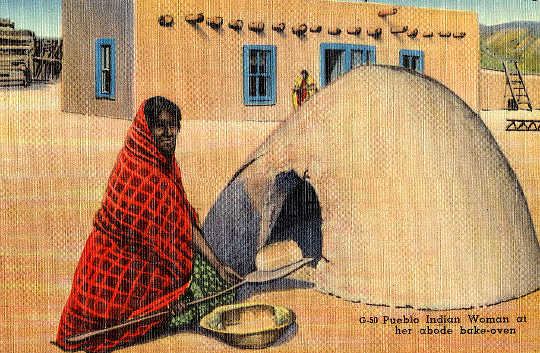 Seeing how a new crop or missing animal affects the food web of the Ancestral Puebloan southwestern United States could shed light on the future of our food.
 Scientists studying climate change have long debated exactly how much hotter Earth will become given certain amounts of greenhouse gas emissions.
 Most of us don’t think much about soil, let alone its health. But as Earth Day approaches, it’s time to recommend some skin care for Mother Nature.
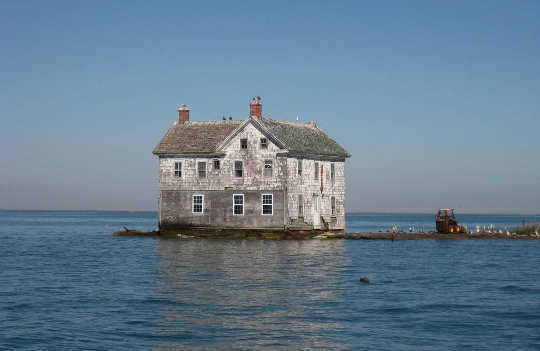 An ever-changing climate can put certain regions in the crosshairs of coastal flooding, heavy rain, erosion, and other risks.
 On Tuesday, March 28, President Trump traveled to the Environmental Protection Agency to sign an executive order rolling back a number of climate-related regulations that have taken effect over the past eight years.
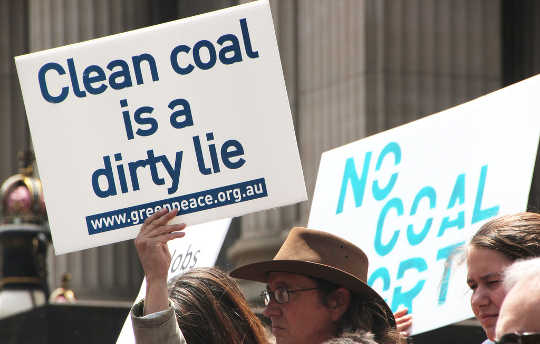 If citizens have heard anything about the upheaval in the U.S. coal industry, it is probably the insistence that President Obama and the EPA have waged a “war on coal.”
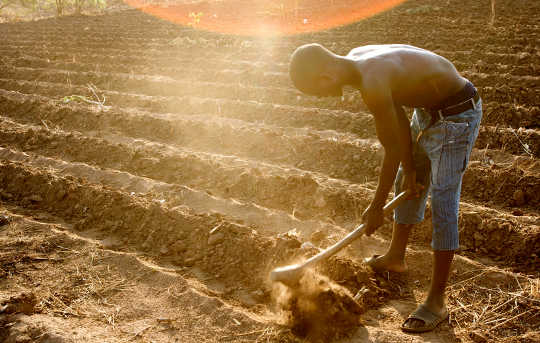 African nations have overwhelmingly included climate resilient agriculture in their indicative pledges to the United Nations. And agriculture is seen as a major focus through a common position of the African Union on climate adaptation.
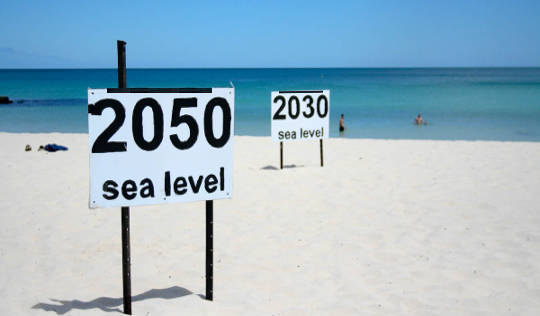 When we think of coasts, we are likely to think about the great sandy beaches that have been the destination for many day trips and long weekends.
 More than 50 million years ago, when Earth experienced a series of extreme global warming events, early mammals responded by shrinking in size.
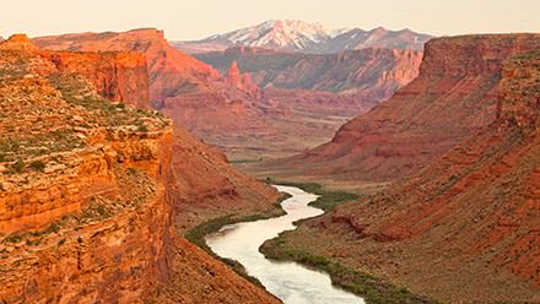 Warming in the 21st century has reduced Colorado River flows by at least 0.5 million acre-feet—about the amount of water used by 2 million people for one year, a new study warns.
 Chemists have engineered a molecule that uses light or electricity to convert carbon dioxide into carbon monoxide.
 While increases in population and wealth will lift global demand for food by up to 70% by 2050, agriculture is already feeling the effects of climate change.
 Much like ExxonMobil, Shell lobbied against climate legislation and invested billions in fossil fuels despite knowing dangers of global warming

As the world warmed millions of years ago, conditions in the tropics may have made it so hot some organisms couldn’t survive.
 Scientists have figured out an Ice Age paradox and their findings add to mounting evidence that climate change could bring higher seas than most models predict.
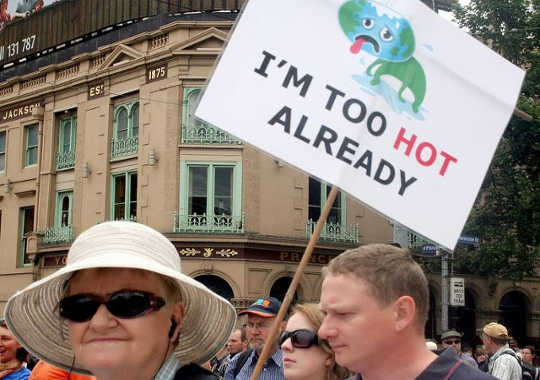 The heatwave that engulfed southeastern Australia at the end of last week has seen heat records continue to tumble like Jenga blocks.
 The frequency of hail storms, thunderstorms, and high wind events has decreased by nearly 50 percent on average throughout China since 1960.